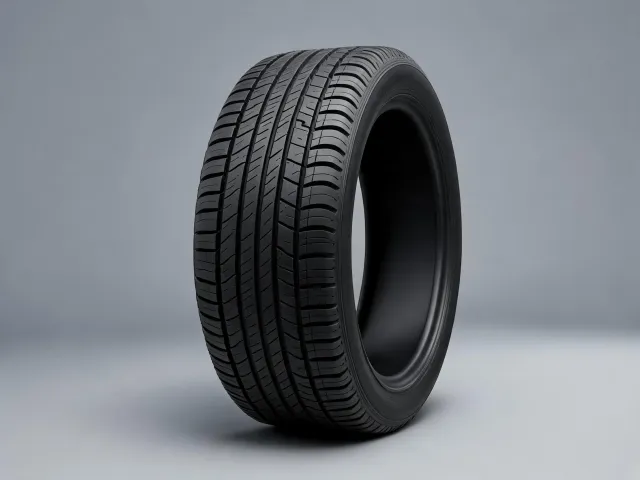
Passenger car radials
Build a replacement range by size, load index and speed rating.
PCR / touring
Explore tire sourcing →Source passenger and commercial vehicle tires through an independent China procurement desk. Compare quotations by size, service description and destination before approving samples.
Group your size list by vehicle and duty cycle so the shortlist stays comparable.
Build a replacement range by size, load index and speed rating.
PCR / touring
Explore tire sourcing →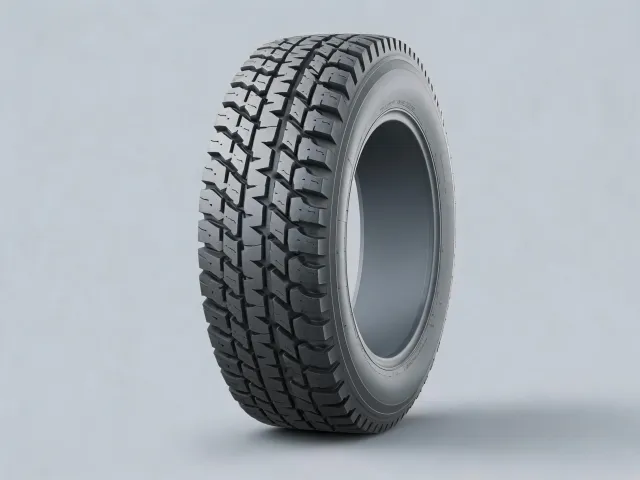
Separate highway and mixed-road patterns before comparing quotes.
SUV / light truck
Compare duty profiles →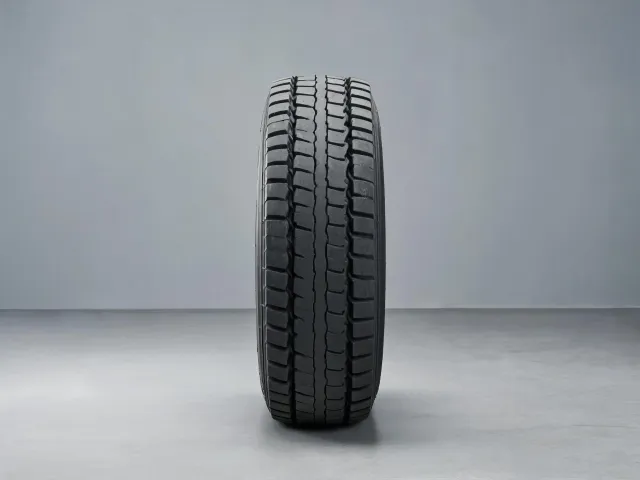
List axle position and single or dual fitment for each fleet size.
TBR / fleet
Submit fleet requirements →| Check | Stock program | Custom program |
|---|---|---|
| Tire size and service | Request existing sidewall specifications, such as 225/45R18 95W, and confirm the exact SKU, approved rim and tread depth if they affect fitment or acceptance. | Specify tire size, load index, speed rating, and any label requirements before tooling or artwork review. |
| Sample review | Match the sample to the offered SKU, tread pattern and lot markings. | Agree on the approved sample and record which changes require another review. |
| Commercial basis | Confirm available quantity by size and destination port for mixed-container loading. | Ask the supplier to quote sample cost, MOQ by size, validation scope and lead time separately. |
Record size, axle position, duty cycle, quantity and port.
Use the same specification revision, Incoterm and named place on each quote.
Link sidewall and tread photos to the exact SKU and note differences for buyer review.
Compare the packing list with the accepted size mix and mark document gaps for the supplier.
Size mix, labeling and destination port.
Replacement sizes and SKU substitutions.
Axle duty, single or dual fitment, and route.
Vehicle coverage, load and speed requirements.
Consistent sidewall data and product identifiers.
Record the supplying legal entity and the manufacturing site shown in its documents.
Use sidewall, tread and size measurements from the identified sample when checking the brief.
Keep ISO or IATF site scope separate from tire SKU and target-market evidence.
Agree on the checks, permitted deviations and disposition before inspection starts.
Ask the inspector to identify the sampled lots, checked quantities and any exceptions.
Resolve open exceptions and reconcile quantities by SKU before the buyer authorizes release.
Mixed-container loading depends on quantity by SKU, pack method and the forwarder's load plan. Ask for the proposed size mix and count by size so it can be checked against the packing list.
A second source can cover a missing size or spread supply risk. A single source can simplify lot and artwork control. Compare the extra inspection and consolidation work before splitting an order.
Use a like-for-like test basis, then weigh wet grip and expected wear in the target duty cycle. A laboratory result for one size or test condition cannot settle service life across a fleet.
The buyer or its fitment specialist approves changes after checking the vehicle, approved rim, clearance and load. Falken coordinates document and sample requests.
Start with size, load index, speed rating, tread or duty cycle, quantity by SKU and destination port.